SEPECAT Jaguar Archive UK Jaguar history, squadron stories and photography

SEPECAT Jaguar Archive

UK Jaguar history, squadron stories and photography

Latest Articles

Bases Before Bombs: Infrastructure, Dispersal and the Jaguar Force's European War
Technical History

Bases Before Bombs: Infrastructure, Dispersal and the Jaguar Force's European War

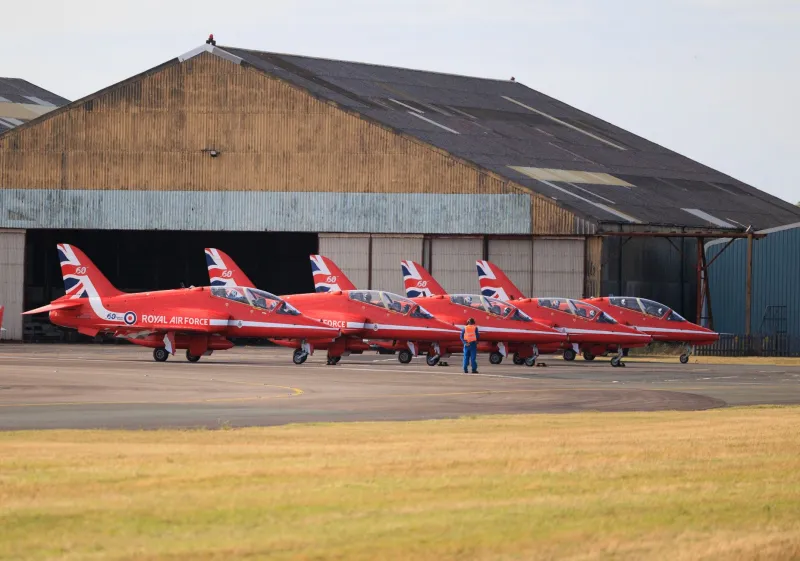
RAF Germany's Jaguar squadrons are usually assessed through airframe performance and weapons load, yet their wartime plan rested on concrete, camouflage and groundcrew improvisation. This article examines hardened aircraft shelters, runway denial, arrestor gear and mobile support, and asks what surviving airfield evidence can still tell us in 2026.
The Ledger in the Airframe: Fatigue Accounting and the RAF Jaguar's Service Life
Technical History

The Ledger in the Airframe: Fatigue Accounting and the RAF Jaguar's Service Life

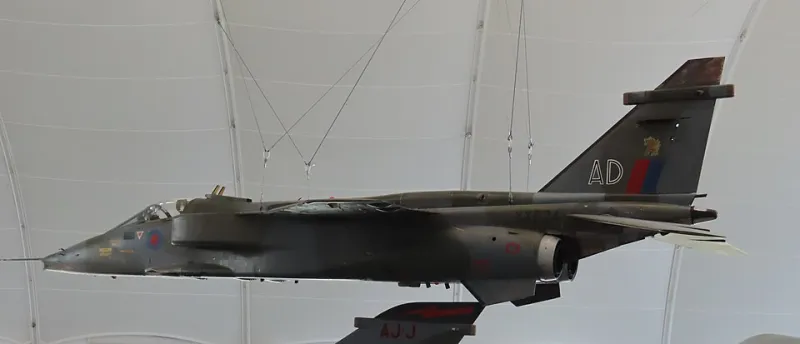
Every RAF Jaguar flew with a second, less visible logbook: the fatigue meter's record of loads, gusts and sorties. This technical history examines how engineers turned those readings into inspections, repairs and fleet decisions, and why the quiet arithmetic of airframe hours shaped squadron availability and the type's eventual retirement.

Two Barrels, One Reputation: The ADEN Cannon in RAF Jaguar Service
Technical History

Two Barrels, One Reputation: The ADEN Cannon in RAF Jaguar Service

The twin 30 mm ADEN installation is often treated as a footnote to the RAF Jaguar's bomb-load story. Manuals, squadron practice and the gun bay itself suggest otherwise: the cannon shaped how crews flew the aircraft, how ground staff maintained it, and how the type was understood as a strike platform.

Ground Truth: Synthetic Training and the Making of a RAF Jaguar Crew
Technical History

Ground Truth: Synthetic Training and the Making of a RAF Jaguar Crew

Before a Jaguar crew flew a low-level sortie for real, they rehearsed it on the ground. This article examines the simulators, cockpit mock-ups and part-task trainers that supported RAF Jaguar training from the 1970s to the 1990s, and assesses how far synthetic instruction could prepare aircrew for the demands of low-level strike and reconnaissance.

Low-Level Deterrent: The Jaguar Force's Nuclear Assignment in Germany
Squadron History

Low-Level Deterrent: The Jaguar Force's Nuclear Assignment in Germany

RAF Germany's Jaguar squadrons are usually remembered for conventional low-level attack, yet they also carried a NATO tactical nuclear commitment that shaped training, readiness and aircraft systems. This article separates the documented record from the myths and explains how that assignment influenced the Jaguar's better-known conventional role.

The Paint Is the Evidence: Reading RAF Jaguar Camouflage and Markings
Photography & Preservation

The Paint Is the Evidence: Reading RAF Jaguar Camouflage and Markings

RAF Jaguar camouflage is often reduced to a simple green-and-grey story, but photographs, serials and restoration records tell a more complicated tale. This archive-led guide separates what can be verified about schemes and markings from the folklore that has grown around them, with practical notes for modellers and preserved-aircraft visitors in 2026.

The Nose as a Sensor: Rethinking the Jaguar GR1A's Reconnaissance Role
Technical History

The Nose as a Sensor: Rethinking the Jaguar GR1A's Reconnaissance Role

The Jaguar GR1A's reconnaissance fit is often remembered as a camera installation, but its real significance lay in turning the forward fuselage into an integrated sensor bay. This technical history examines the pallets, windows and crew workflow that made the RAF's recce Jaguars more than strike airframes with a different nose.

Allies, Airfields and the Adriatic: RAF Jaguars in the Balkan Campaigns
Squadron History

Allies, Airfields and the Adriatic: RAF Jaguars in the Balkan Campaigns

The Jaguar's Balkan deployments are often treated as a footnote beside Operation Granby, yet the forward detachments to Italy placed the aircraft and its support organisation on a sustained expeditionary footing. This article examines coalition tasking, squadron rotations and the practical business of keeping a low-level strike aircraft effective in a European theatre.

The Instructor's Cockpit: Britain's Two-Seat Jaguars and the Crews They Forged
Technical History

The Instructor's Cockpit: Britain's Two-Seat Jaguars and the Crews They Forged

Often treated as mere trainers, the RAF's Jaguar T.2 and T.4 two-seaters were a distinct sub-fleet with their own compromises, careers and survivors. This technical history examines how the second cockpit changed the aircraft and how the twin-stick Jaguars supported the frontline force.

The Engine That Set the Tempo: Adour Power and the RAF Jaguar
Technical History

The Engine That Set the Tempo: Adour Power and the RAF Jaguar

The Rolls-Royce/Turboméca Adour is often treated as a footnote to the SEPECAT Jaguar, yet its reheat behaviour, fuel burn and maintenance demands did much to define how the aircraft was flown and sustained in RAF service. This technical history examines the engine as a shaping influence on low-level handling, range planning and squadron routine.

School for the Low Level: 226 OCU and the Making of a Jaguar Crew
Squadron History

School for the Low Level: 226 OCU and the Making of a Jaguar Crew

Before a Jaguar crew joined a front-line squadron, they passed through a conversion pipeline that mixed ground school, two-seat flying and simulator work at Lossiemouth. This account examines how 226 OCU, and later 16(R) Squadron, turned fast-jet graduates into low-level strike crews and why the course left a lasting mark on Jaguar standards.

Showpiece Strike: The Jaguar's Airshow Life and What It Left on the Crowd Line
Photography & Preservation

Showpiece Strike: The Jaguar's Airshow Life and What It Left on the Crowd Line

For much of its RAF career the Jaguar was seen by the public in a carefully staged second role: display aircraft. This article examines the solo jets, role demonstrations, markings and crowd-line routines that turned a low-level strike machine into an airshow ambassador—and considers what those performances revealed, and smoothed over, about the aircraft's operational character.

The Home Base Argument: Coltishall, the Jaguar Force and a Campaign Out of Time
Squadron History

The Home Base Argument: Coltishall, the Jaguar Force and a Campaign Out of Time

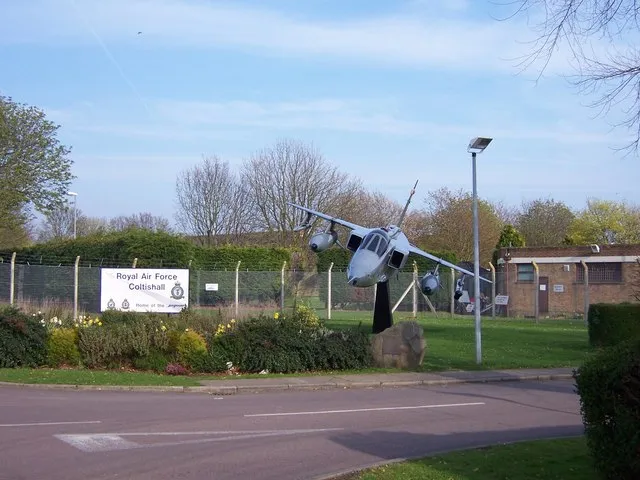
The campaign to keep RAF Coltishall as the Jaguar force’s Norfolk home drew on local loyalty, economic concern and a genuine operational case. Its failure revealed how little a famous station identity could weigh against force-structure decisions already in motion.

Forward, Low and Loaded: RAF Germany's Jaguar Squadrons in the Front Line
Squadron History

Forward, Low and Loaded: RAF Germany's Jaguar Squadrons in the Front Line

RAF Germany's Jaguar wing stood on NATO's Central Front, far from the retirement nostalgia that later gathered around Coltishall. This operational history examines the squadrons, shelters, low-level training and readiness culture that made the Jaguar a front-line strike aircraft in West Germany.

Systems First: Reappraising the Jaguar Beyond Its Bomb-Truck Reputation
Technical History

Systems First: Reappraising the Jaguar Beyond Its Bomb-Truck Reputation

The Jaguar is often remembered as a rugged mud-mover, but its real significance lies in the integration of navigation, aiming, engine installation and stores management. This technology feature argues that UK enthusiasts should study the Jaguar as a systems aircraft, not merely a bomb truck.

Five Jaguar Claims That Deserve a Second Look
Technical History

Five Jaguar Claims That Deserve a Second Look

Enthusiast shorthand often hardens into fact, especially around range, thrust, exports, retirement and maintenance. This corrective but appreciative review tests five familiar Jaguar claims against archival records, squadron experience and technical evidence.

Trades, Turnarounds and the Flight Line: A Jaguar Squadron Day Reconstructed
Squadron History

Trades, Turnarounds and the Flight Line: A Jaguar Squadron Day Reconstructed

Oral-history testimony from RAF Jaguar groundcrew reveals a working day built around servicing slots, trade boundaries and the quiet choreography of aircraft generation. This reconstruction follows a line squadron from first shift to detachment readiness, showing how engineering demand shaped squadron culture.

Two Nations, One Airframe: SEPECAT and the Compromises That Made the Jaguar
Technical History

Two Nations, One Airframe: SEPECAT and the Compromises That Made the Jaguar

SEPECAT was more than a badge on the Jaguar's tail. This programme history examines how British and French requirements, workshare politics and export ambitions shaped the aircraft's design, engines and RAF reputation.

Airframes in Waiting: A 2026 Field Guide to Britain's Preserved Jaguars
Photography & Preservation

Airframes in Waiting: A 2026 Field Guide to Britain's Preserved Jaguars

A practical survey of the SEPECAT Jaguars preserved in UK museums, private collections and gate-guardian displays in 2026, with notes on variants, markings and photography access. The surviving airframes trace the type's RAF career from Cold War strike trainer to the final retirement.

Rails, Stations and Tanks: A Reader's Guide to Jaguar External Stores
Photography & Preservation

Rails, Stations and Tanks: A Reader's Guide to Jaguar External Stores

A photograph of a Jaguar can tell you plenty about its mission if you know where to look. This guide unpacks the overwing Sidewinder rails, underwing pylons, centreline stores and fuel tanks that shaped RAF Jaguar loadouts.