From 'Tank' to 'Scrub': A Jaguar Flight-Line Glossary
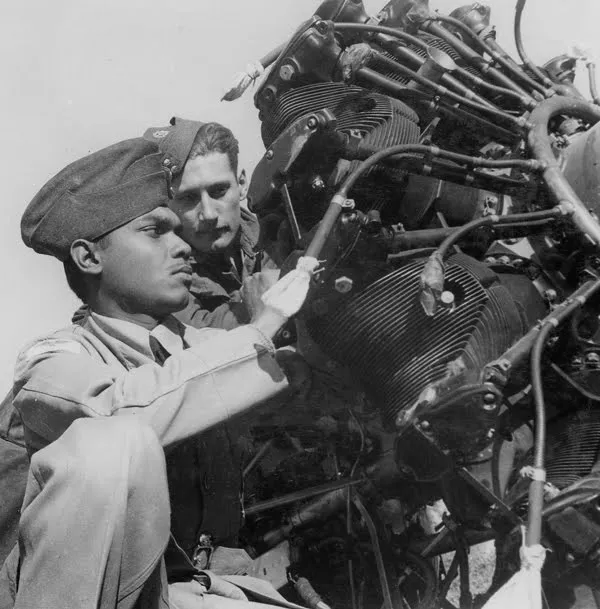
Photo: Unknown authorUnknown author, Public domain, via Wikimedia Commons
Language is one of the few parts of a squadron's life that never makes it into the technical manuals. It is also one of the most revealing. The vocabulary of the Jaguar force was built from service-wide slang, engineering shorthand, air traffic phraseology and the private jokes of individual flights, and it changed as people posted in and out. What follows is a selective glossary, offered with the caveat that no two squadrons used every term the same way.
Starting the day
Liney. Ground crew, in the affectionate shorthand of the flight line. Not a rank, not a trade, more a statement of where you stood in relation to the aircraft at seven in the morning.
Bombed up. The state of an aircraft loaded with live or practice stores and awaiting its crew. The phrase carried a certain satisfaction, since a bombed-up jet was a jet with a purpose.
The box. Variously the cockpit, the briefing room or the aircraft documentation, depending on the speaker and the hour. Context, as ever, was everything.
Tank. Fuel, or the act of taking it. A crew might be told the aircraft was 'tanked to the gills', meaning full internal and external fuel and therefore a long sortie ahead.
In the air
Scrubbed. Cancelled. Applied to sorties, tasks, engineering fixes and occasionally to social arrangements. One of the most versatile words in the RAF lexicon, and never welcome.
Two's out. A wingman's departure from formation, usually for fuel or a recovery, delivered on the radio in a tone that suggested it was entirely routine.
Growl. The audio output of the radar warning receiver. Crews learned to recognise emitters by ear as much as by display, and a change in the growl could change a plan within seconds.
In the weeds. Very low. A description of height, sometimes of attitude, and occasionally of the state of the mission planning.
Punch out. To eject. Rarely used lightly and never as a joke in the crew room on the day it might be needed.
On the line
Rig. A maintenance adjustment to a system, or the aeroplane's overall state of tune. 'Rigged properly' was a compliment.
Bodge. A temporary repair made good enough to fly. Every squadron had an opinion on where the line fell between a bodge and a proper fix, and the opinion was usually held strongly.
Sooty. A jet running rich, or simply a dirty aircraft after a week of operations. Applied to airframes and sometimes, unfairly, to people.
Chinagraph. The grease pencil used to mark canopies and kneeboards. Its smudged legacy appears in many archive photographs, and it was the cause of more than one misunderstood briefing note.
Callsigns and the radio
Squadron callsigns were drawn from a pool held at wing level, and the choice of a particular name for a particular sortie often carried a quiet message about the crew's seniority or the mission's importance. Individual aircrew nicknames were another matter entirely: rarely chosen by the person concerned, frequently unflattering, and effectively permanent once adopted. The archive has chosen not to print most of them, on the grounds that they belong to the people who used them.
Bluey. A term with several lives, most commonly a reference to a signal or a message, and occasionally to a piece of paperwork that had arrived at an inconvenient moment.
Kneeboard. The pilot's portable writing surface, and by extension the home of every piece of information that could not be memorised. A lost kneeboard was a genuine operational problem, not a minor inconvenience.
Ramp. The apron, the parking area, the place where everything began and ended. To be 'on the ramp' was to be at work.
The words that lasted
Slang survives because it does useful work. It compresses, it signals membership and it defuses tension. The Jaguar force's vocabulary did all three, and it did them in a way that a generation of crews still recognise instantly, decades after the last aircraft left the line. The archive would welcome further contributions, particularly corrections from those who were there and remember a version of a word that this glossary has got slightly wrong.