When the Last Jet Went Quiet: Britain's Jaguar Drawdown and the Closing of an Era
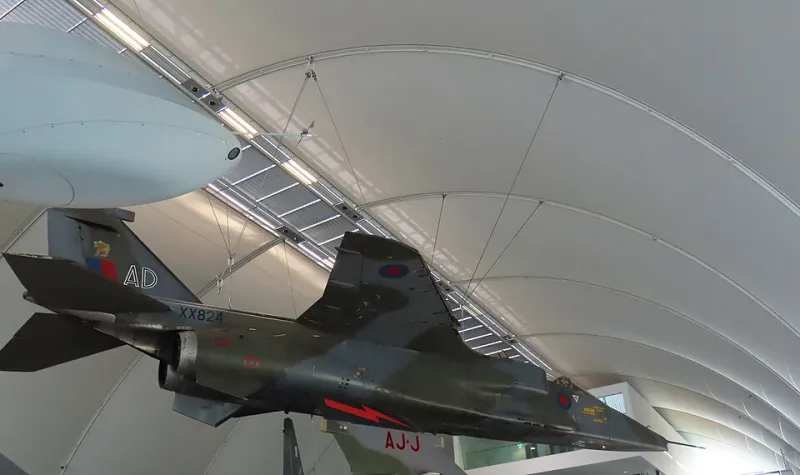
Photo: [[User:Ad Meskens|Ad Meskens You are free to use this picture for any purpose as long as you credit its author, Ad Meskens. Example: © Ad Meskens / Wikimedia Commons If you use this work outside of the Wikimedia projects, a message or a copy is
Retirements are rarely single events. They are processes, stretched over budgets and basing reviews, and by the time an aircraft type makes its final public appearance the decision behind it is usually several years old. The Jaguar's departure from RAF service followed that pattern. The farewell was warm, crowded and genuine. The reasoning behind it was colder, and had been settled long before.
The decision before the ceremony
The force reduction that sealed the Jaguar's fate emerged from the defence reviews of the mid-2000s, which set out a smaller, differently shaped fast-jet fleet. The Jaguar sat awkwardly in that planning. It was a capable and well-liked aircraft, but it occupied a role that could be absorbed elsewhere, and its remaining airframe hours were a finite and carefully audited resource. The archive's own fatigue records tell part of the story: the fleet had been worked hard, and the economic case for extending it was never strong.
What the paperwork does not capture is how the news landed. Squadrons that had spent years preparing for a role found themselves preparing instead for a disbandment. Ground crews who had built careers around the type began to consider postings. The drawdown became, for many people, a second job carried out alongside the first.
A drawdown in stages
The process ran through the middle of the decade. RAF Coltishall, long the spiritual home of the Jaguar force in Norfolk, closed in 2006, and the remaining squadron moved to Coningsby. That move was practical and painful in equal measure. Local communities that had lived with the Jaguar's noise, its routines and its people for decades lost a presence that had shaped the region's identity as much as its economy.
At Coningsby the final chapter was shorter than anyone would have liked. The last operational squadron worked towards a disbandment date in 2007, flying a programme that mixed routine tasking with the kind of ceremonial flying that marks an ending. Engineers kept aircraft serviceable knowing that every sortie brought the fleet closer to the point where the spanners would be put down for good.
The final months
The last flying period had an unusual texture, described by those who were there as both busy and strangely quiet. There was a great deal to do, and a diminishing number of aircraft in which to do it. Photographers gathered. Visitors arrived. The flight line became, for a few weeks, a place where people came to say something rather than simply to work.
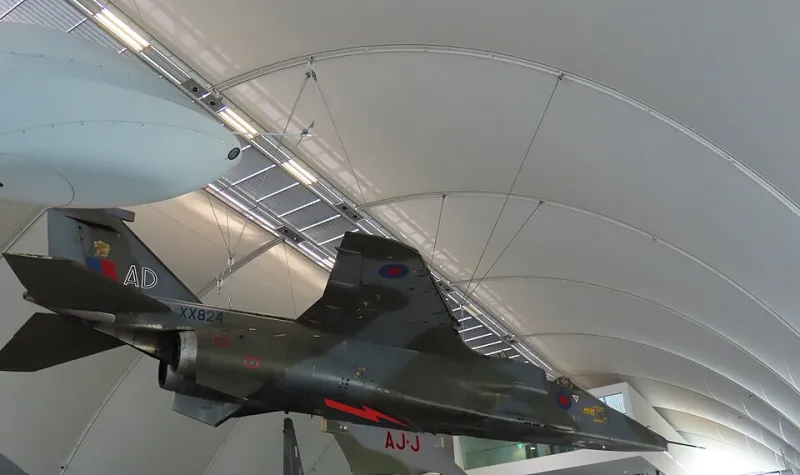
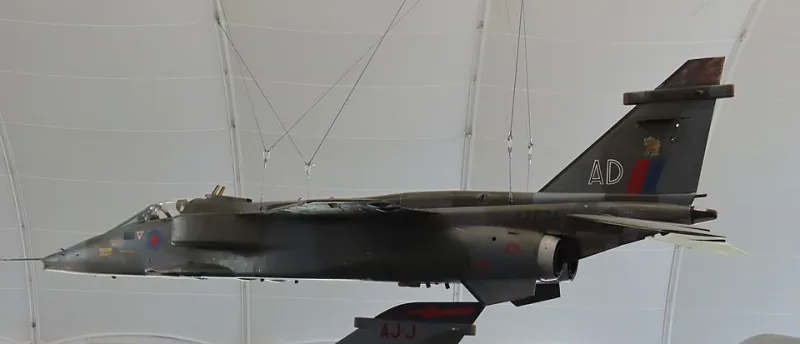
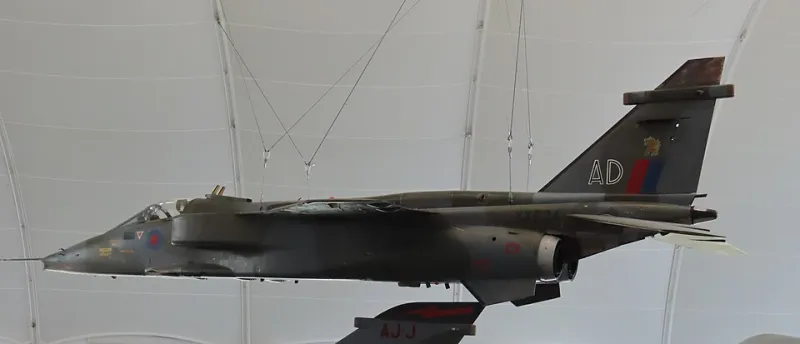
Crews flew the final sorties with an awareness that the aircraft they were handling would shortly become museum pieces or instructional airframes. Several of the jets that ended their flying careers in that period are today preserved in museums and collections across the United Kingdom, their camouflage still carrying the evidence of that service.
What went with it
The retirement removed more than an airframe from the inventory. It ended an approach to air power built around small, dispersed, low-level strike aircraft operating from forward bases in Germany and the United Kingdom. The Jaguar's replacement in the collective imagination, and in the force structure, was a smaller and differently conceived capability, and the doctrinal shift was real.
Veterans are careful about nostalgia, but they are clear about one thing: the Jaguar represented a particular relationship between aircraft, crew and terrain. Flying at low level, in poor weather, over unfamiliar ground, with limited sensor support, demanded a kind of airmanship that the modern cockpit has partly automated away. Whether that represents progress or loss is a question the archive does not seek to settle. It is enough to record that a body of skill went with the aircraft.
The people behind the airframe
Ground staff remember the retirement differently from aircrew. For a line engineer, the aircraft is a set of panels, fasteners, fluid levels and recurring faults, and the affection is practical. Several have described the final months as an exercise in keeping faith with a machine that had already been written off in Whitehall. That loyalty, expressed in extra hours and stubborn troubleshooting, is as much a part of the Jaguar story as any sortie.
The farewell itself was well attended. Families came, former squadron members returned, and the aircraft were photographed from every angle. It was, in the British manner, both heartfelt and slightly understated. The last jet went quiet, the hangar lights went off, and the argument about what had been given up began.