Trades, Turnarounds and the Flight Line: A Jaguar Squadron Day Reconstructed
Photo: RAF Jaguar groundcrew line servicing archive photograph, via as1.ftcdn.net
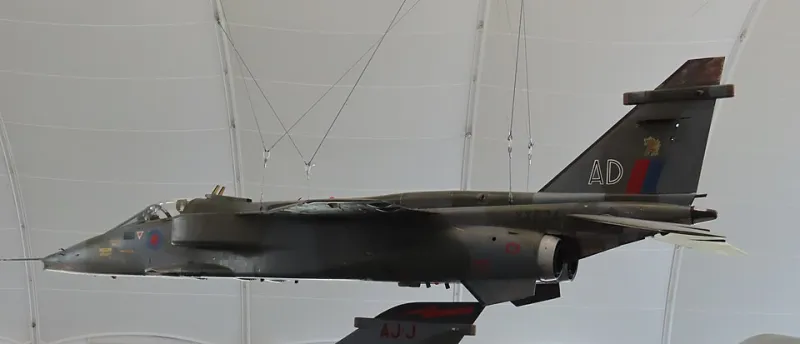
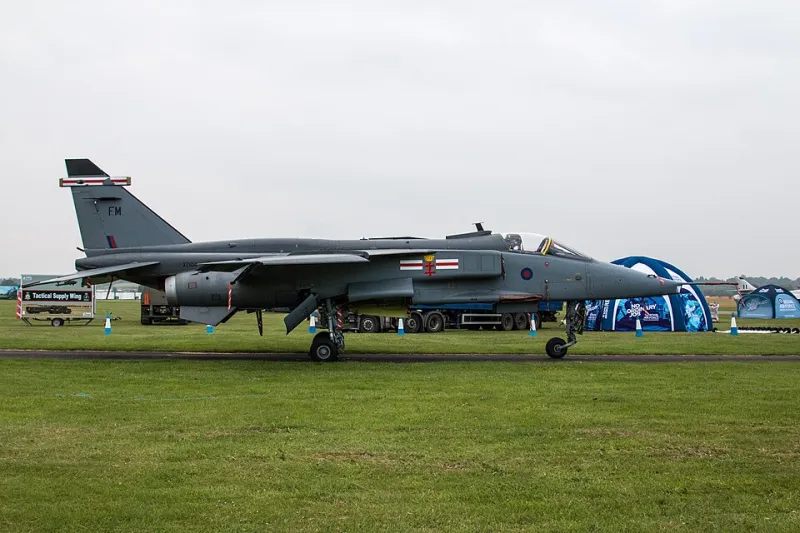
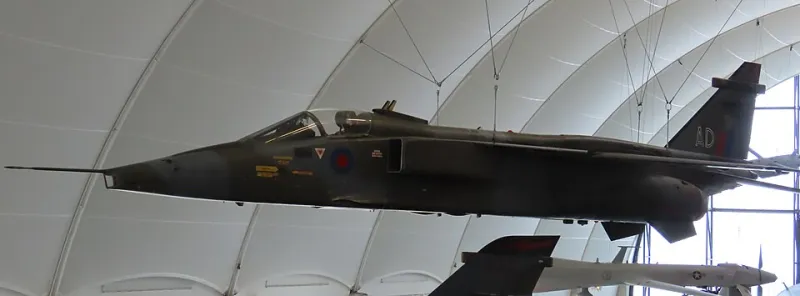
The Jaguar is usually discussed through the cockpit: the low-level run, the stores load, the handling at altitude. The archive's oral-history holdings tell a different story. They place the aircraft on the flight line, surrounded by tool trolleys, servicing steps, trade vans and the deliberate routines of groundcrew who generated it. Reconstructing a typical squadron day from that testimony shows how the Jaguar's engineering character shaped not only maintenance practice but the social rhythm of the squadron.
Before First Light: The Shift Brief
A Jaguar squadron day began before the aircraft were touched. The line chief or shift supervisor took the handover, read the state board and matched available airframes to the flying programme. Veterans describe this as a form of production planning rather than simple servicing. Each aircraft carried a status: serviceable, unserviceable, awaiting spares, undergoing scheduled maintenance or held for a specific role. The board was the squadron's shared language, and the first task was to turn it into a realistic sequence of work.
The Jaguar demanded disciplined preparation because its systems were densely packed and interdependent. Hydraulics, fuel, avionics, engines and armament were not separate worlds. A fault in one could suspend work in another, and a missed servicing item could ripple through the day's flying. Groundcrew testimony repeatedly returns to the same theme: the aircraft was not fragile, but it was exacting. It rewarded method and punished improvisation.
The Line as a Production System
Line servicing was the core of the day. After-flight and before-flight inspections, refuelling, replenishment, brake and tyre checks, canopy and seat safety checks, and the correction of snags formed a repeating cycle. The Jaguar's twin-engine layout gave useful redundancy, but it also meant more systems to inspect and more access panels to secure. The aircraft's external stores added another layer: weapons, tanks and pods had to be matched to the sortie and signed off by the appropriate trade.
Oral testimony suggests that the most valued groundcrew were not necessarily the fastest workers but the most predictable. A line squadron worked to slots. Aircraft were required at specific times, and a late aircraft could disrupt the whole programme. The culture therefore prized punctuality, clear handovers and the confidence to stop a task when documentation or spares did not support it. Black humour flourished, but it sat alongside a serious respect for procedure.
Trade Boundaries and Shared Ownership
A Jaguar squadron was a meeting point of trades. Airframe mechanics, engine fitters, electricians, avionics technicians, armourers, safety-equipment staff and survival equipment specialists all had a claim on the aircraft. The boundaries between them were real, but the work required negotiation. A snag might begin as an electrical issue and end as an engine-bay access task. A stores configuration might require armourers, airframe staff and a flight-line supervisor to agree on sequence and clearance.
Veterans describe a culture of shared ownership that was practical rather than sentimental. The aircraft belonged to the squadron, not to a single trade. That attitude was reinforced by detachments, where small teams had to cover more ground with fewer specialists. The Jaguar's engineering demands made trade teamwork essential. A groundcrew member who understood only their own task, and not how it fitted the generation plan, was a liability on a busy line.
Detachment Rhythm
Detachments compressed the squadron day. At a forward operating base or an exercise airfield, the familiar infrastructure of the home station was reduced to what could be packed, borrowed or improvised within approved bounds. Spares were limited, weather could be unfamiliar, and the flying programme often left little slack. Oral histories from Jaguar detachments emphasise the same routines: early briefings, shared tooling, careful spares accounting and a heightened awareness of aircraft state.
Detachment life also exposed the squadron's social character. Groundcrew and aircrew worked in closer proximity, and the line became the common reference point. The aircraft's needs set the timetable for everyone. Meals, rest and transport were arranged around recovery times and night servicing. The result was a distinctive squadron culture: informal in manner, formal in procedure, and sceptical of anyone who treated the flight line as a backdrop.
After Last Recovery
The day did not end with the last landing. After-flight servicing, snag rectification, documentation and preparation for the next programme continued into the evening. Veterans recall that the line was never truly quiet until the paperwork was complete. The Jaguar's systems required a traceable record of work, and the squadron's reputation rested on that record as much as on the aircraft's performance.
Archive photography from the period captures this unseen crew world: figures in coveralls moving around low-slung airframes, toolboxes open beside intake blanks, ladders against cockpits, and the flat light of an East Anglian morning. These images are not merely illustrative. They document a culture in which engineering demand translated into routine, routine into teamwork, and teamwork into the squadron's ability to generate the Jaguar day after day.