Coltishall Afterglow: A Photographer's Notebook from the Jaguar's Final RAF Chapter
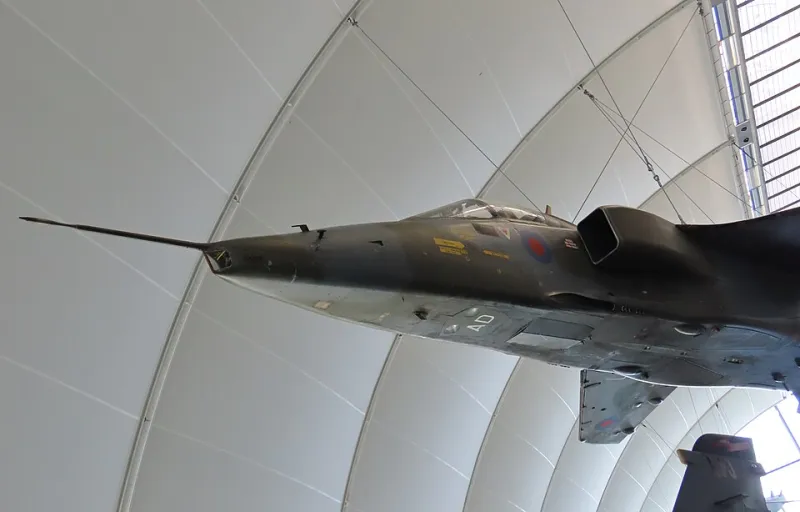
Photo: [[User:Ad Meskens|Ad Meskens You are free to use this picture for any purpose as long as you credit its author, Ad Meskens. Example: © Ad Meskens / Wikimedia Commons If you use this work outside of the Wikimedia projects, a message or a copy is
On a damp Norfolk morning, the light at RAF Coltishall could be flat, grey and unhelpful. It could also be perfect. The Jaguar's camouflage absorbed the softness and its stencils stood out; the wet concrete reflected the tail markings; the line of aircraft looked less like a display and more like a working squadron at the end of a long shift. Twenty years after the base's closure in 2006, that is the Coltishall Jaguar that photographers remember: not a museum piece, but an aircraft being wound down in public.
The last line at Coltishall
Coltishall was synonymous with the Jaguar for most of the type's RAF career. By the final years, the station's identity was inseparable from the aircraft. Squadrons came and went, but the Jaguar remained the backdrop to the Norfolk skyline. As closure approached, the base became a place of countdowns: final exercises, final detachments, final squadron standards, final open days.
A former line chief recalled the practical rhythm of the wind-down. 'You were still generating aircraft, still fixing faults, still doing the same checks,' he said. 'But every week something else disappeared: a bay emptied, a store was cleared, a piece of equipment went by road. The jets stayed the same until they did not.' That tension between routine and ending is what makes the final Coltishall photographs so useful. They capture an operational station in the act of becoming a heritage site.
Reading the markings
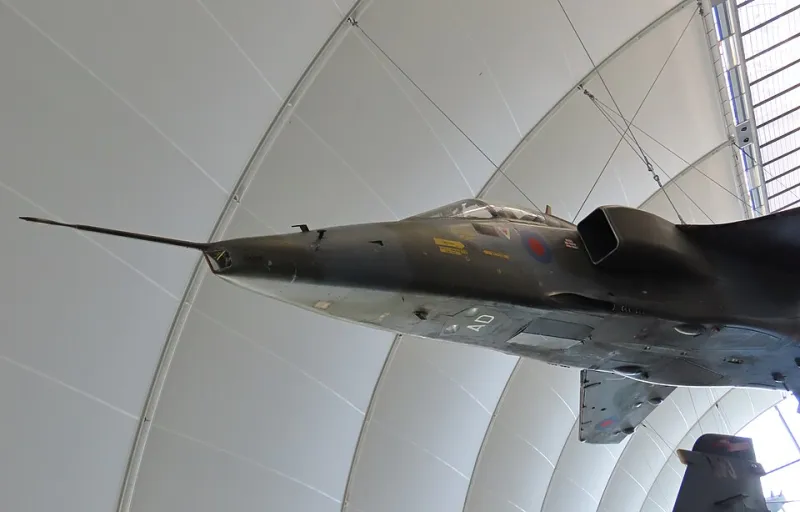
For the photographer, Coltishall's last Jaguars reward close attention. The camouflage schemes ranged from the familiar dark green and dark sea grey to overall grey examples, and special tails appeared as squadrons marked anniversaries or final years. Serial numbers, squadron badges, tail codes and stencils tell a story that a three-quarter view can miss. A nose-on frame shows the LRMTS fairing and cannon; a side-on frame reveals weathering, panel lines and the small stencils that artists often omit.
The best approach is methodical. Begin with a broad side view to record the scheme and serial. Then move to the nose, the intake area, the wingroots and the tail. Look for replacement panels, faded markings and the evidence of daily use: hydraulic stains, exhaust staining, tyre marks and the pale patches where access panels have been opened. At Coltishall, the light often came from a low, soft sky, so a slight exposure lift and careful white balance helped preserve the subtle greens and greys without bleaching the stencils.
Schemes, airframes and practical access
For photographers planning a visit in 2026, the surviving airframes are scattered across museums, gate guards and private collections. The City of Norwich Aviation Museum and the RAF Coltishall Heritage Centre hold material that keeps the station's story alive, while larger collections such as Duxford, Cosford and Newark preserve Jaguars for a wider audience. Access varies. Some airframes are outdoors and subject to the weather; others are indoors and poorly lit. A polarising filter, a sturdy tripod and a lens in the 24-70 mm range will cover most cockpit and nose detail, while a 70-200 mm is useful for compressed side views and tail markings.
Always check opening times and photography rules before travelling. Gate guards are often visible from public roads but may not be accessible close up; museum airframes may be roped off. Where access is permitted, avoid touching the aircraft and be mindful of other visitors. The aim is to record, not to disturb.
Winding down and what remains
The logistics of closing Coltishall were as much about people as aeroplanes. Ground equipment, spares, documentation and squadron memorabilia had to be moved, stored or disposed of. Some aircraft went to museums; others were reduced to instructional airframes or scrap. The final years produced a strange mixture of ceremony and admin: farewell flights on one day, a stores clearance on the next.
A photographer who attended one of the last press days remembered the silence after the engines shut down. 'Everyone had their pictures, and then it was just the wind and the shutters,' she said. 'The Jaguar looked strangely ordinary without the noise.' That ordinary quality is worth preserving in photographs. The Coltishall Jaguars were not just squadron colours and special tails; they were working machines at the end of a long RAF chapter. In 2026, the images that matter most are the ones that show both the ceremony and the wear.